
Why Does My Child Know What to Do but Still Not Do It?
Understanding executive functioning, why knowing and doing aren't always the same thing, and how to help kids (and adults) get unstuck.
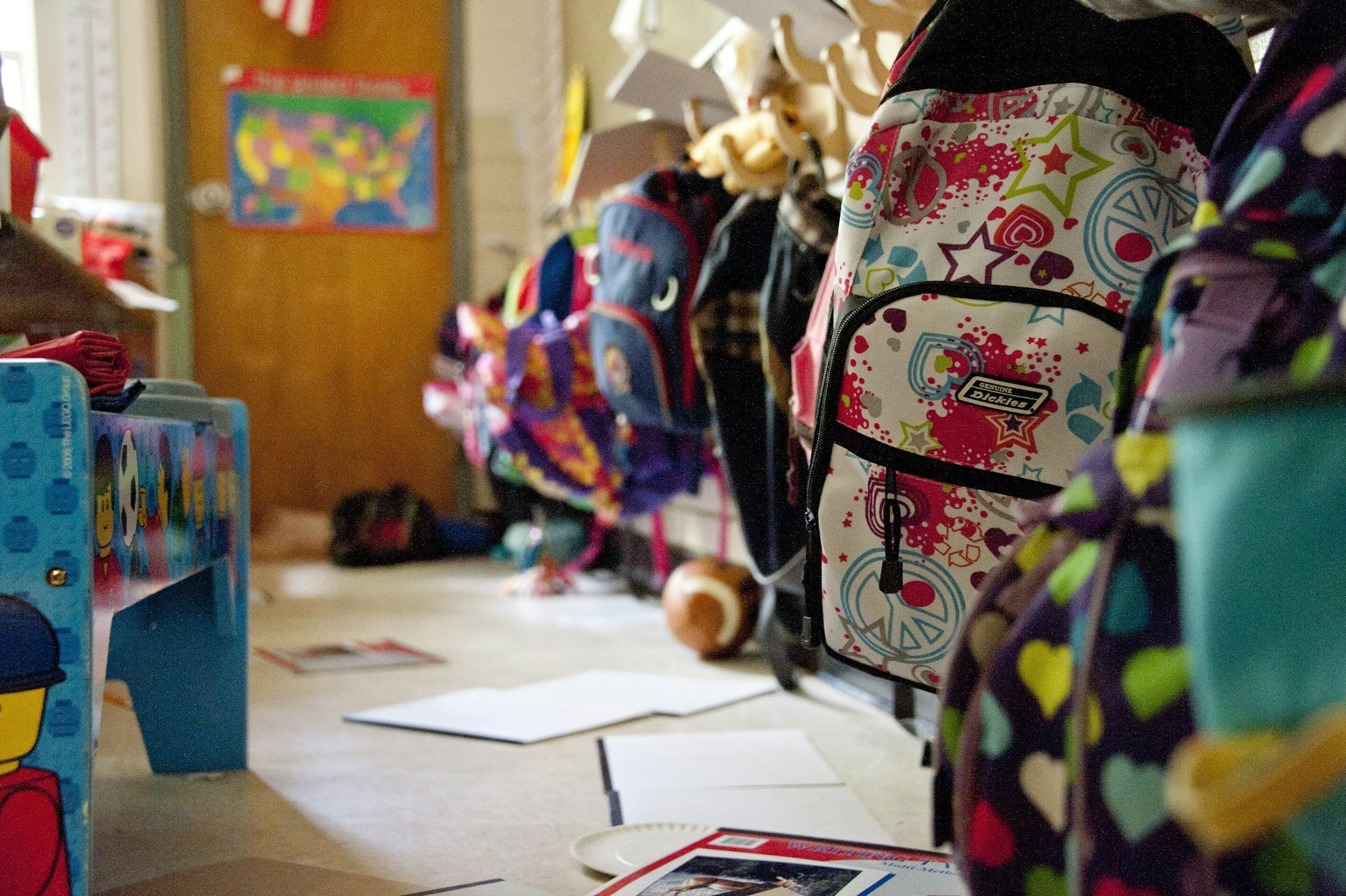
Your child knows they have homework. They know where their backpack belongs. They know what time you need to leave in the morning. So why are you still reminding them of everything?
It's a familiar frustration for many parents, especially when their child seems perfectly capable of doing what's being asked.
You've probably heard the term executive functioning used to explain some of these challenges. It's become something of a buzzword in schools, therapy offices, and conversations about ADHD, autism, and learning differences.
Can't get started on an assignment? Executive functioning. Always losing things? Executive functioning. Bedroom looks like a tornado came through? Executive functioning.
The term is useful, but it's become so broad that it doesn't always help us understand what's actually going on.
Executive functioning isn't one skill. It's a collection of mental processes that help us organize, plan, remember, regulate our attention, manage our time, and follow through on what we intend to do.
At Counselling & Behaviour, we encourage families to move beyond asking whether someone has executive functioning difficulties and start asking a much more useful question: Where are they getting stuck?
Knowing What to Do Isn't the Same as Being Able to Do It
Imagine a student has an assignment due on Friday.
To complete it, they need to remember the assignment exists, understand the instructions, gather their materials, decide when to work on it, estimate how long it will take, get started, stay focused, manage distractions, and remember to submit it.
That's a lot of moving parts for something we casually describe as "doing your homework."
A student might understand the material perfectly but struggle to initiate the task. Another might start immediately but lose track of time. Someone else might finish the entire assignment and forget to hand it in.
The outcome looks the same: incomplete homework.
But the underlying challenges are very different, and so are the supports that might help.
A gap between knowing and doing isn't necessarily a gap in motivation, intelligence, or effort.
This distinction matters because children who repeatedly struggle with these skills often hear that they're lazy, careless, disorganized, or simply not trying hard enough. Over time, those messages can affect confidence, motivation, and willingness to attempt difficult tasks.
And while executive functioning challenges are commonly associated with ADHD and autism, they're not exclusive to neurodivergent individuals. Stress, anxiety, poor sleep, emotional overload, and competing demands can all affect our ability to manage everyday tasks.
In fact, plenty of parents begin these conversations describing their child and eventually admit, "Actually, I do that too."
Executive Functioning: Finding the Sticking Point
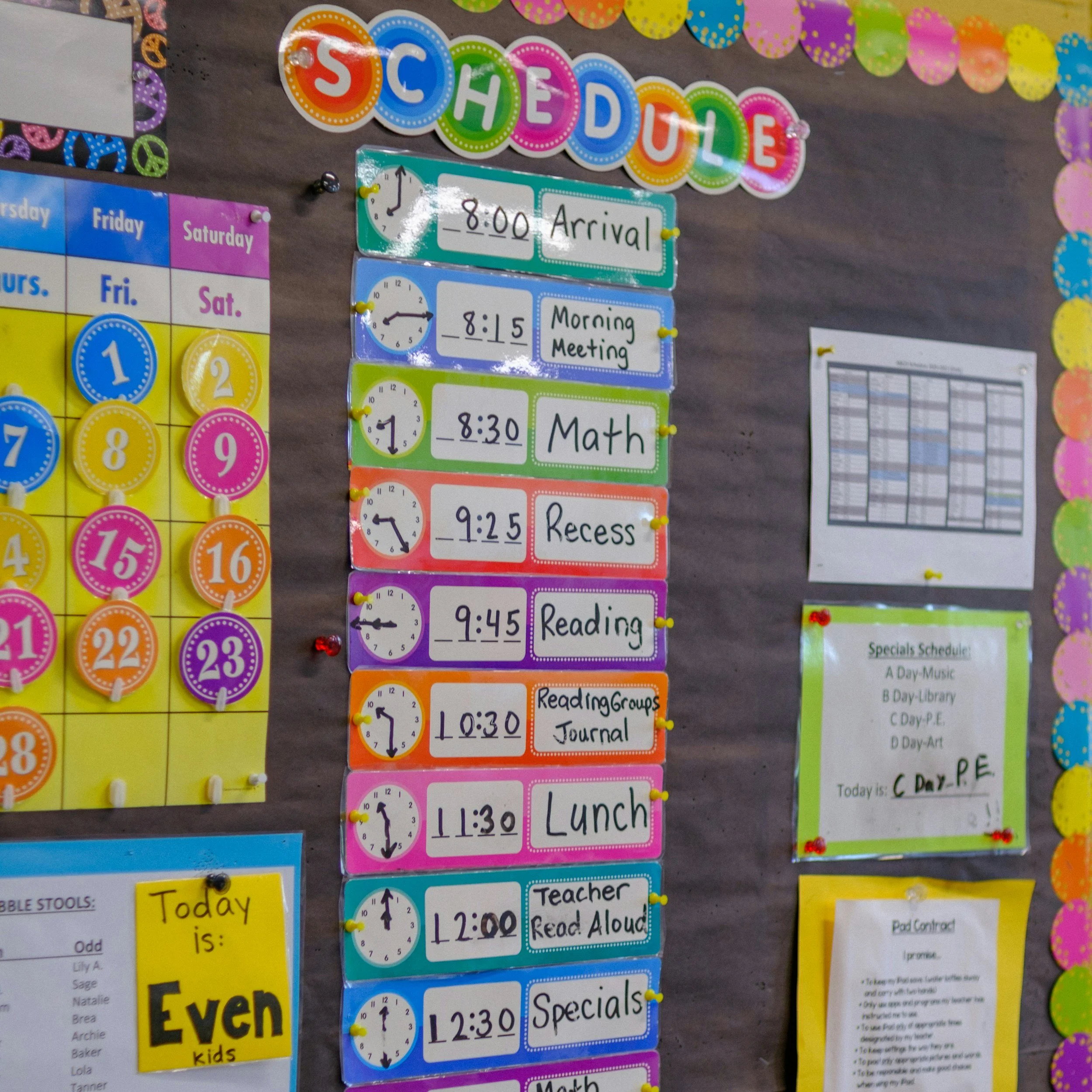
Rather than viewing executive functioning as one big problem to solve, it helps to break it down into the specific skills involved.
Here are some common sticking points and what they might look like in everyday life.
1. Task Initiation: Getting Started
Your child knows they need to clean their room, but an hour later, nothing has happened. They might even want to get it done, yet can't seem to take that first step.
Starting can be especially difficult when a task feels overwhelming, boring, unclear, or emotionally uncomfortable.
What helps: Make the first step small and specific. Instead of "Clean your room," try "Let's start by putting the dirty clothes in the hamper."
2. Working Memory: Keeping Information in Mind
You ask your child to put away their shoes, wash their hands, and grab their lunch. They complete the first task and forget the other two.
Working memory helps us hold information in mind while we're using it. When this is difficult, multi-step instructions can quickly become overwhelming.
What helps: Move information out of their head and into their environment. Visual checklists, written instructions, and consistent routines reduce the need to remember everything at once.
3. Planning and Organization: Figuring Out the Steps
A teenager has three weeks to complete a school project but doesn't know where to begin. Suddenly, it's the night before the deadline, and everyone is scrambling.
Planning requires us to work backwards from a goal, identify the steps involved, and organize our resources.
What helps: Break larger projects into smaller milestones with individual deadlines. Help your child identify what needs to happen first, rather than focusing only on the final due date.
4. Time Management: Understanding How Long Things Take
Your child insists they have plenty of time to get ready. Ten minutes later, they're still in their pyjamas, and you're supposed to be out the door.
Some people have difficulty estimating how long activities take or noticing how much time has passed.
What helps: Make time visible. Countdown timers, visual clocks, and predictable transition routines can be more effective than repeatedly saying, "Hurry up!"
5. Cognitive Flexibility: Switching Gears
It's time to stop playing a game and come to dinner, but your child becomes upset or resistant. They may understand the expectation while still finding the transition difficult.
Cognitive flexibility helps us shift attention, adjust plans, and respond to changing demands.
What helps: Give advance notice, create predictable transition cues, and acknowledge that stopping an enjoyable activity can be difficult.
6. Follow-Through: Getting Across the Finish Line
Your child completes their homework but leaves it on the kitchen table. They pack their gym clothes but forget to bring the bag to school.
Sometimes the challenge isn't completing the task itself. It's remembering and executing the final step.
What helps: Build a clear finishing routine. For homework, that might mean: complete it, put it in the folder, place the folder in the backpack.
The important thing is recognizing that different sticking points require different solutions.
Why More Reminders Aren't Always the Answer
When a child repeatedly forgets something, the natural response is to remind them more often.
But reminders don't necessarily teach the underlying skill.
If remembering is the problem, repeated verbal reminders may simply make the parent responsible for remembering. If task initiation is the issue, saying "Get started" five more times doesn't make the first step any clearer.
And when reminders turn into frustration, the emotional pressure can make an already difficult task feel even harder.
Instead, try observing what happens before things fall apart.
Does your child forget the task entirely? Do they know what to do but struggle to begin? Do they get distracted halfway through? Or do they complete the work but forget the final step?
These observations give you much more useful information than simply counting how many reminders it takes.
Let the Environment Do Some of the Work
Parents sometimes worry that using checklists, timers, reminders, and routines means they're doing too much for their child.
But consider how adults manage their own responsibilities.
We put appointments in calendars, set alarms, automate payments, create to-do lists, and leave things beside the front door so we won't forget them.
We don't generally consider these strategies a failure of independence. We've simply learned that our environments can do some of the remembering, organizing, and planning for us.
Children deserve access to those same supports.
A checklist isn't cheating. A timer isn't a crutch. A predictable routine isn't a sign that someone lacks ability.
These tools reduce the mental effort required to manage a task, leaving more capacity for actually completing it.
Good systems don't replace independence. They can be what makes independence possible.
The goal is to develop supports that a child can gradually learn to use with less adult involvement, adjusting them as their skills and needs change.
Start Small: One Problem, One Support
When parents first recognize executive functioning difficulties, it's tempting to overhaul everything.
New planners, colour-coded calendars, elaborate reward systems, and detailed morning routines can sound promising. But an overly complicated system can become another thing someone struggles to manage.
Instead, choose one recurring frustration.
Maybe mornings are chaotic because your child can't find their belongings. Start by creating a consistent place for their backpack, shoes, and lunch.
Maybe homework turns into a nightly battle because getting started feels overwhelming. Try establishing a predictable starting time and identifying the first small action together.
Maybe transitions consistently end in conflict. Experiment with a visual countdown or a five-minute warning.
Give the strategy time, observe what changes, and involve your child in deciding whether it's helping.
The best executive functioning strategy isn't necessarily the most sophisticated one. It's the one that addresses the actual problem and is simple enough to use consistently.
From Frustration to Understanding
After the third reminder, frustration comes easily.
"Why can't you just get it together?"
"You knew this was due."
"How many times do I have to tell you?"
These reactions are understandable, particularly when families are juggling busy schedules and competing demands.
But shifting the question can change the conversation.
Instead of asking why your child isn't doing something they clearly know how to do, ask what might be getting in the way.
Perhaps they need help remembering. Perhaps the first step isn't obvious. Perhaps time is difficult to judge, or the system they're using simply doesn't work well for the way their brain processes information.
Of course, not every unfinished task is an executive functioning problem. Motivation, expectations, emotional well-being, learning difficulties, and the environment all deserve consideration. Persistent challenges that interfere with everyday functioning may benefit from a professional assessment.
The point isn't to explain away every difficulty. It's to understand it well enough to respond effectively.
And for the adults who have spent this article recognizing themselves, the same question applies:
Where am I getting stuck?
You might not need to "get it together." You might just need a better system for the part that keeps getting in the way.
Looking for Support With Executive Functioning?
At Counselling & Behaviour, we work with children, teens, adults, and families navigating executive functioning challenges, ADHD, autism, anxiety, and other difficulties that can affect everyday life.
Our approach begins with understanding the individual, identifying the barriers they're experiencing, and developing practical strategies that fit their needs.
Whether you're supporting a child who struggles with daily routines or trying to understand your own patterns, we're here to help.
Book a free 15-minute consultation to learn more about our services and how we can support you.
This article is part of Behind the Behaviour: Ask the Expert, our series exploring everyday questions about mental health, behaviour, and development, with practical insights for individuals, families, and educators.