
Learning in Practice, What Actually Matters, in Practice
Breaking Bad News and Compassion in Practice: Practical Skills for Clinicians
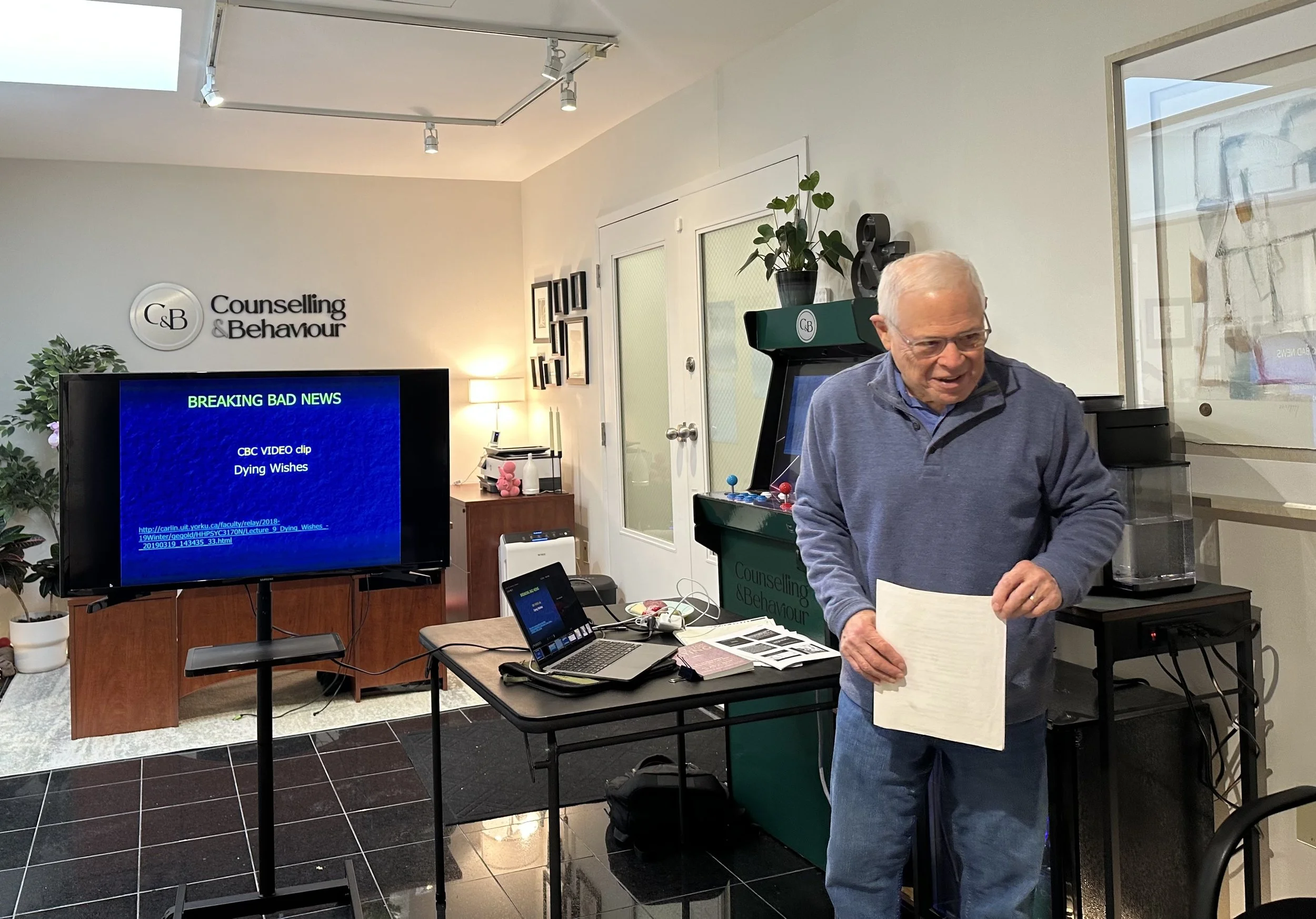
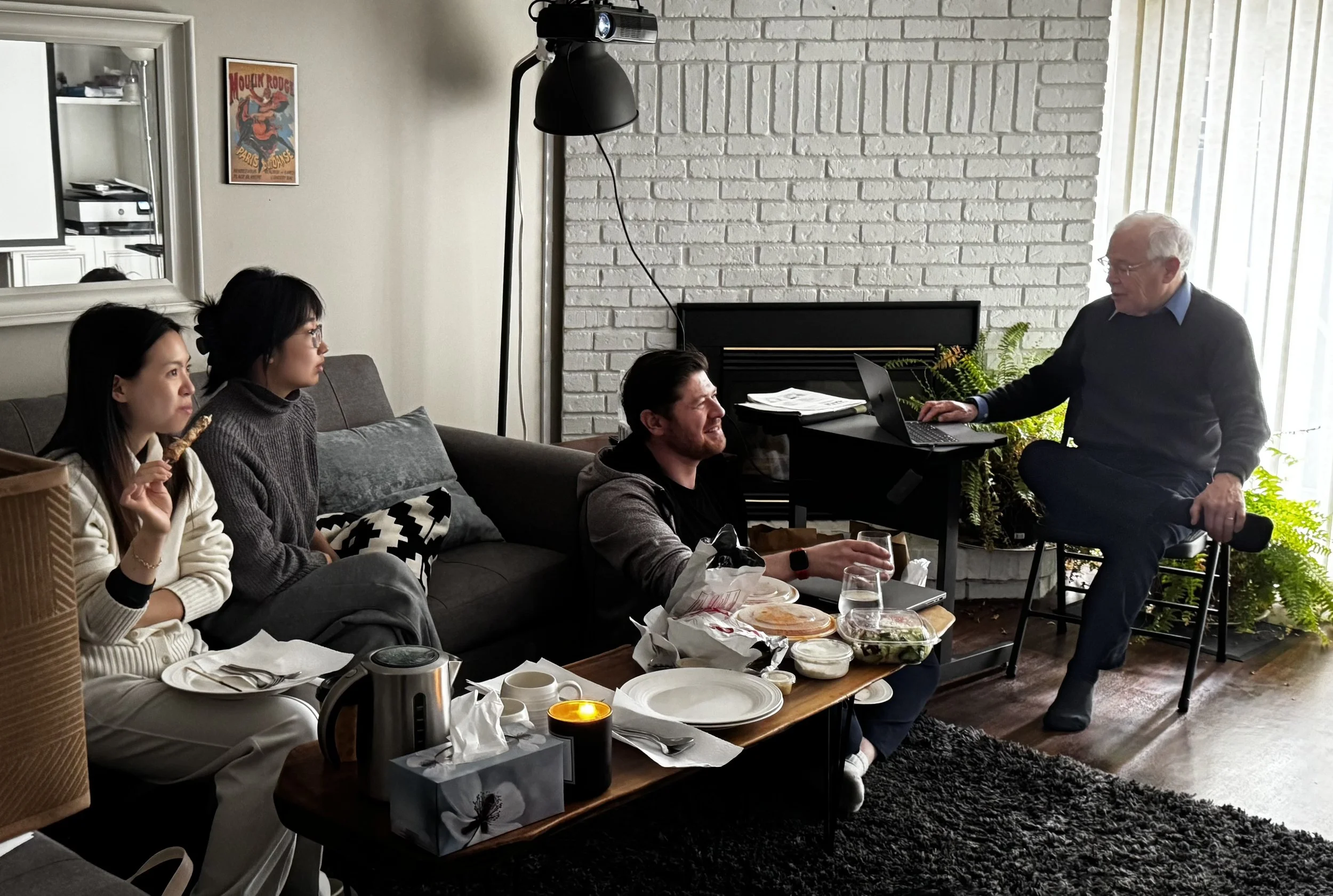
Over the past few weeks, our team had the opportunity to host two lunch and learn sessions with Dr. Gerry Goldberg.
The focus wasn’t abstract theory. It was the real work clinicians face every day.
Session 1: Breaking Bad News
We explored how to communicate difficult information in a way that is clear, direct, and grounded in respect. This isn’t just about what you say. It’s about how you hold the space when someone’s reality shifts.
Session 2: Compassion in Practice
We focused on what compassion actually looks like under pressure. Not as a mindset, but as a set of skills you can rely on when things are complex and emotionally charged.
Two frameworks stood out:
SPIKES
A structured approach to delivering difficult news in a way people can actually process:
S – Setting: Create the right environment. Privacy, time, minimal distractions.
P – Perception: Understand what the person already knows or believes.
I – Invitation: Ask how much detail they want. Not everyone wants everything at once.
K – Knowledge: Share information clearly and directly, without overloading.
E – Emotion/Empathy: Acknowledge and respond to emotional reactions in real time.
S – Strategy/Summary: Outline next steps so the person isn’t left in uncertainty.
CONES
A practical way to stay grounded and connected in the moment:
C – Curiosity: Stay open. Don’t assume you understand their experience.
O – Observation: Reflect what you’re seeing and hearing, not what you think it means.
N – Name the Emotion: Help put words to what’s coming up.
E – Empathy: Validate the emotional experience without trying to fix it too quickly.
S – Support/Next Steps: Help the person orient to what comes next, at their pace.
Across both sessions, the focus stayed practical as we worked through core skills, challenged assumptions, and built a clearer understanding of how to apply these approaches in our day-to-day work.
That’s also how we train at Counselling & Behaviour.
Our students don’t just learn concepts. They learn how to use them.
We focus on practical application, real scenarios, and building the ability to think and respond in the moment.
Knowing a framework is one thing, but using it when a parent is overwhelmed, when a client shuts down, or when a conversation takes an unexpected turn, is something else entirely. This is the kind of learning that sticks, because it changes how you practice.